
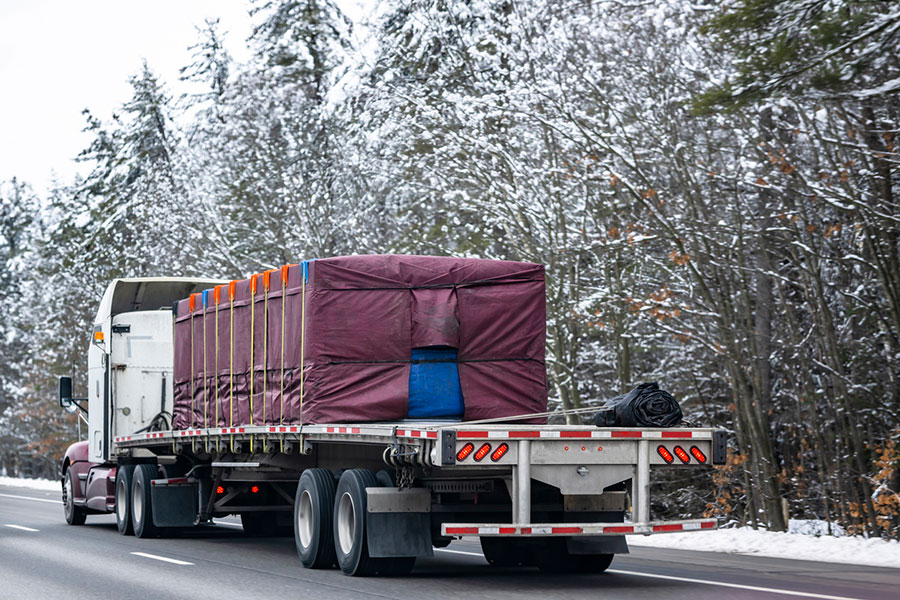
By far the most unpredictable quarter for shipping in terms of weather conditions is quarter 1 of the year. From rapidly changing road conditions to temperature swings and varying moisture levels, having the right strapping products and strapping tools is essential. At USA Strapping, our team is here to help you manage the risks during Q1 and ensure your team has the tools they need to succeed. We’ll take a closer look at some of the challenges you’ll face in quarter 1 of the new year and how our team can get you the tools you need at an affordable price.
How Q1 Temperature Changes Affect Strap Performance
Changes in temperature in Q1 are among the most common causes of load shifting and failure during transit. Depending on the material of your straps, they may expand and contract with temperature changes. While this may not be as serious a concern for local shipments, it becomes a factor for longer shipping distances. For example, a strap can be secured to a load in an area of the country with freezing temperatures and then arrive in a much warmer part of the country. We’ll take a closer look at how common strapping products react to changes in temperature.
How Steel Strapping Materials React to Changes in Temperature
Steel straps are an incredibly strong strapping material, but they are not immune to thermal expansion and contraction. During Q1, steel straps are an excellent option for shipping in freezing conditions as they maintain their strength and tension in sub-zero conditions. However, when steel straps are exposed to warmer temperatures, they may lose their tension. If you’re going to use steel straps during Q1 and your destination is significantly warmer than your departure location, we recommend periodically checking their integrity during transit.
How Polyester Strapping Materals React to Changes in Temperature
Polyester strapping is another common type of strapping material shippers use during Q1. This strapping material reacts well in varying temperatures and offers excellent elastic recovery. Polyester also handles freeze-thaw cycles well without becoming brittle and cracking. For cold temperatures specifically, polyester strapping is an excellent option, but it should be checked periodically if your shipment is passing through significant changes in temperature.
Condensation and Moisture Considerations During Q1
Another common concern for shippers during Q1 is condensation and moisture issues. Condensation typically occurs when temperatures change from colder to warmer temperatures. Water can cause corrosion of untreated steel straps, reducing friction between straps and cargo and degrading packing materials. To combat moisture and condensation issues during Q1, we recommend using moisture-resistant strapping materials and packaging. Polyester strapping materials are an excellent option if you have concerns about moisture in your shipments.
Road Conditions During Q1 Shipments
Finally, road conditions are another common concern during Q1 shipments. Freeze-thaw cycles can contribute to new pot holes, leading to increased vibration and shock to loads. Poor road conditions from the weather can also slow down shipping times, requiring careful planning of routes when possible to avoid inclement weather. If you’re shipping in challenging road conditions, we recommend frequently checking your straps during transit to ensure load integrity.
Ship Safely During Q1 With Help From USA Strapping
At USA Strapping, our team is proud to give your team the strapping products you need year-round, including during Q1 shipments. From strapping materials to strapping tools and everything in between, USA Strapping is here to give you the best prices you’ll find on all the tools you’ll need. To get started shipping during Q1, contact USA Strapping today at 888-768-0001 and make sure to ask about our bulk discounts!